Let it Snow, I’ll Eat Peas Anyway

It’s spring in the Midwest and therefore snow is falling in flurries.  Frosty stars punctuate the tangled curls in my hair and tickle my eye lashes.  At the same time, robins play on the tender lawn and squirrels hop along paint-chipped fence posts.

There is not a single fresh pea to be found just yet and that’s okay.  Fresh mint is wrapped in bundles at the grocery store and the frozen aisle has the little green morsels that I am craving.

This dish was more than I expected.  I was ready to welcome the lightness of the broth, the daintiness of the pasta, the grassiness of ricotta and the wakefulness of mint.  But I got so much more when, following the recipe, I added to the broth the full amount of cooked pasta.  It became less of a soup and more of a heartier couscous dish.  And you know what?  It was perfect.  Just right for this time of year that seems to want to hold on a bit longer to the chill, even as nights grow shorter.

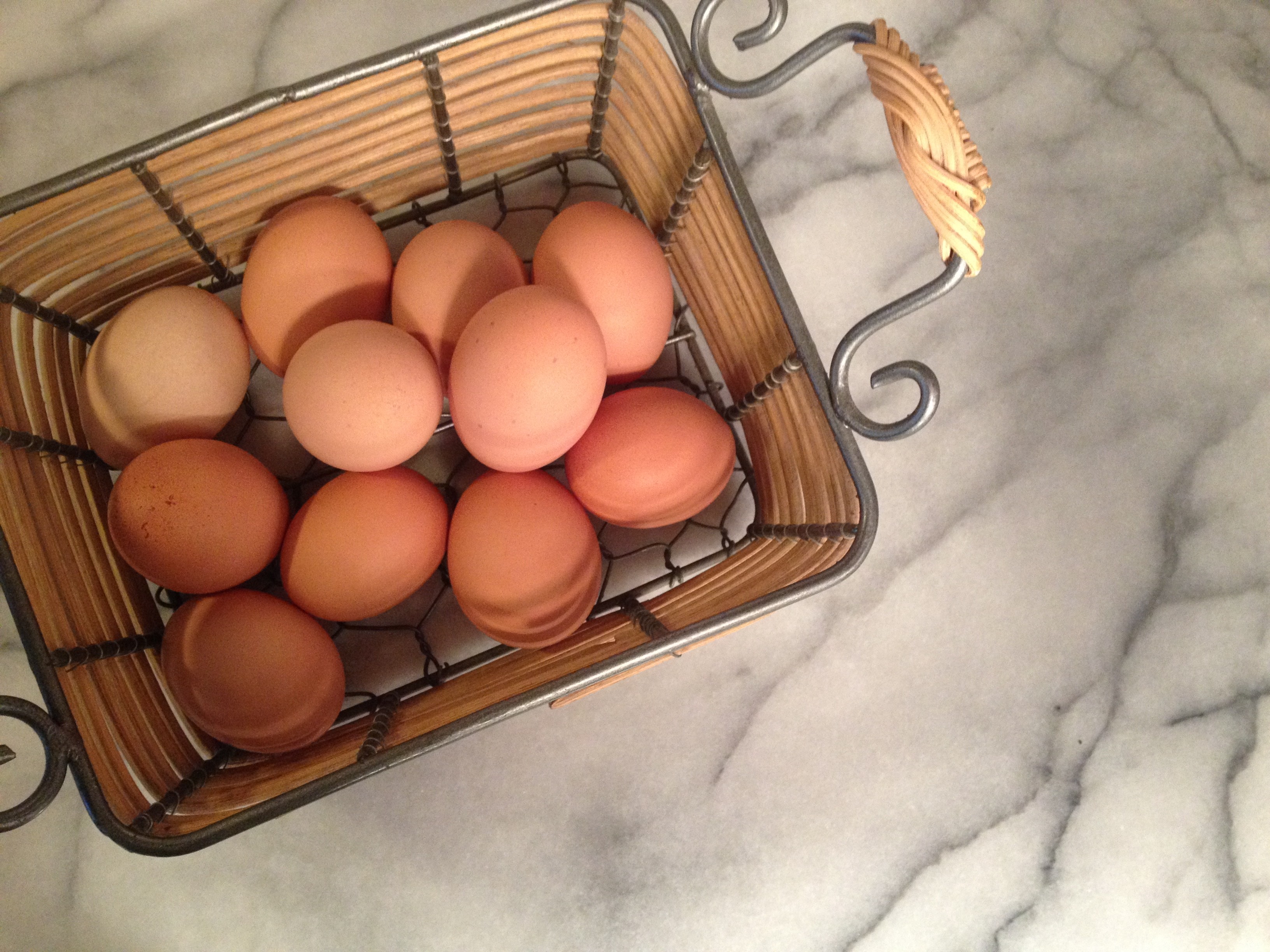
With my leftovers, I’ll top it off with a poached egg, bring on that cracked pepper, that drizzle of olive oil and feel my weary winter bones soften into spring.

IMG_5455

Fregola with Green Peas, Mint, and Ricotta

Bon Appétit, April 2015

4 servings

  • 1 1/4 cups fregola (I used acini di pepe, or as I grew up calling it: acini di peep!)
  • kosher salt
  • 2 Tbsp. olive oil, plus more for serving
  • 2 oz. bacon (about 3 slices), chopped
  • 1 medium onion, chopped
  • 1 cup dry white wine (Sauvignon Blanc is a good one)
  • 2 1/2 cups low-sodium chicken broth (I like Swanson’s unsalted cooking chicken stock if I’m out of my own)
  • Freshly ground black pepper
  • 1 cup shelled fresh peas (from about 1 lb. pods) or frozen peas, thawed
  • 2 Tbsp. chopped fresh mint, plus leaves for serving
  • 4 oz. ricotta

First cook the pasta in a large pot of boiling water (watch it doesn’t boil over) until very al dente.  Start tasting after 4 minutes or so.  Scoop out about a cup of the pasta cooking liquid, then drain the pasta.  Do not rinse.  Put the pasta in a bowl right away, otherwise it will stick to the strainer and that’s a pain.

Heat 2 Tbsp. olive oil in a large skillet over medium and cook bacon, stirring often, until bacon is brown around the edges, about 5 minutes.  Add onion and cook, stirring occasionally, until bacon is crisp and onion is translucent, about 5 minutes.

Use these times as a guide only.  Use your senses to be sure. (Including smell — if you’re paying attention, your nose will tell you when something is about to go from golden to burnt.)

Add wine, bring to a simmer, and cook until skillet is almost dry, about 5 minutes.  Add broth and bring to a simmer.  Add pasta a little at a time, stopping when you feel it’s enough, and cook, stirring often, until pasta is just al dente and broth is thickened, about 5 minutes.

Taste and season with salt and pepper.  Add peas and chopped mint and cook, stirring until peas are warmed through, about 2 minutes.  Add pasta cooking liquid as needed to adjust consistency (I didn’t need any).

Here’s my favorite part!  Serve topped with ricotta, mint, cracked pepper and drizzled with olive oil.

Radish

When’s the last time someone told you everything will be alright?  Or maybe it wasn’t so much what she said but how she made you feel so very cared for at her kitchen table.  How she set before you a plate of crusty bread buttered and dressed with slices of blushing radishes.  The little salt she sprinkled sparkled in the small afternoon light, encouraged the crisp coins of white to glisten.  With every bite the wrinkles in your mind began to smooth.  How you ate eagerly, the two of you framed by the kitchen window.  And you felt warm with gratitude, despite Spring’s snow frosting the lawn.   You realized only later, after you had returned home, she never asked if you were hungry.


Homemade Pizza Pie


We’ve begun a new tradition around here — Friday Night Pizza Pie and as a result, I have almost gotten over one of my top cooking insecurities — making homemade pizza dough.

Since I don’t believe I ever mentioned to you my list of top cooking inhibitions that I am working to overcome, here you go:

  1. pizza dough
  2. pie dough
  3. bread, biscuits (the rolling and cutting out kind)
  4. pasta

There are other fears but mostly related to my safety and that of my family: to master the art of flambé would make me a rock star with the kids…Look, Mommy is setting the bananas on fire!; to whip up a perfect aioli (this means consuming raw eggs and no trips to the emergency room;  soaking and cooking beans to perfect tenderness – creamy on the inside and snappy on the teeth…ooh, yes, and a standing crown roast… and cooking a whole fish (our favorite Chinese take-out on speed dial, just in case).

But for now, I am content with working with yeast and getting my hands doughy.  I’ve made this pizza crust about five Fridays in a row and am just beginning to get a feel for the texture of the dough which should be not too sticky and not too dry.  I’m getting the knack for kneading.  Being sure to pull down the top part of the dough– only a quarter or so of it– onto itself and using the heels of my hands to push it away.  Then a quarter turn — clockwise and always in the same direction — and repeat.  And, actually I’m losing myself in the ten minutes it takes to knead.

I’ve found myself so focused on the dough and what I’m doing with my hands, upper back and hamstrings, that I’m not thinking of much else.  By the way, go easy, I pulled a hamstring doing this a few weeks ago.

Basic Pizza Dough (from Essentials of Classic Italian Cooking, Marcella Hazan)

  • 1 1/2 teaspoons of active dry yeast
  • 1 cup lukewarm water (should feel like bath water)
  • 3 1/4 cups unbleached flour
  • Extra virgin olive oil — 1 tablespoon for the dough, 1 teaspoon for the bowl, and some for the finished pizza
  • 1/2 tablespoon salt
  • A baking stone
  • A baker’s peel
  • Cornmeal

Dissolve the yeast completely in a large bowl by stirring it into 1/4 cup lukewarm water.  When dissolved, in 10 minutes or less, add 1 cup flour and mix thoroughly with a wooden spoon.  Then, as you continue to stir, gradually add 1 tablespoon olive oil, 1/2 tablespoon salt, 1/4 cup lukewarm water, and 1 cup more flour.  When putting in flour and water for the last time, hold back some of both and add only as much of either as you need to make the dough manageable, soft, but not too sticky.

Take the dough out of the bowl, and slap it down very hard against the work counter several times, until it is stretched out to a length of about 10 inches (This is when I usually yell out, “Who’s in charge here?  That’s right!  What’s my name, Pizza Dough?!”)  Reach for the far end of the dough, fold it a short distance toward you, push it away with the heel of your palm, flexing your wrist, fold it, and push it away again, gradually rolling it up and bringing it close to you (Think, “Come to me, I love you.  No, go away, I hate you! Ok, yes, I love you, now come to me.  No, I don’t.  Go away.)

Rotate the dough a one-quarter turn, pick it up and slap it down hard, repeating the entire previous operation.  Give it another one-quarter turn in the same direction and repeat the procedure for about 10 minutes.  Pat the kneaded dough into a round shape.  Exhale fully.  Feel the stress and tension leave your body.  Call your therapist and cancel your next appointment.

Film the inside of a clean bowl with 1 teaspoon olive oil, put in the dough, cover with plastic wrap, and put the bowl in a protected, warm corner.  Let the dough rise until it has doubled in volume, about 3 hours.  It can also sit a while longer.

At least 30 minutes before you are ready to bake, put the baking stone in the oven and preheat oven to 450 degrees.

Sprinkle the baker’s peel generously with cornmeal.  Take the risen dough out of the bowl and divide it in half.  Put one of the two halves back in the bowl and cover it while you roll out the other half.  Put that half on the peel and flatten it as thin as you can, opening it out into a circular shape, using a rolling pin, but finishing the job with your fingers.  Leave the rim somewhat higher than the rest.

Put the topping of your choice on the dough — by now I don’t think I have to tell you that I use only a swipe of plain crushed tomatoes (No Chunks) and shredded mozzarella, maybe thin slices of pepperoni or cooked ground sausage, but nothing, NOTHING green — slide it, jerking the peel sharply away, onto the preheated baking stone.

Bake for 20 minutes (mine are taking only 8-10 minutes) until the dough becomes colored a light golden brown.  As soon as it is done, drizzle lightly with olive oil.  (While the first pizza is baking, follow the same steps for thinning the remaining dough and topping it, slipping it (jerking it — remember who’s the boss, here) into the oven when the first pizza is done.)

Achieve hero status with your picky family.


Voilà!


Maybe it’s Time For Meatballs


It is such a beautiful morning.  Through my open kitchen window, I can hear cars driving on the road beyond the tree line and saws buzzing in the yard behind ours.  Birds are talking to each other and these sounds of spring come to me at last on a cool though slightly humid breeze lifting the cobwebs from my winter brain.

The fair weather makes today the kind of day when one might consider firing up the Weber and grilling a burger, medium rare, outdoors.  I’m not quite there yet with that seasonal craving. For me, a pot of meatballs in gravy simmering on the stove alongside a giant pot of water rambunctiously boiling and lapping at great big handfuls of spaghetti is what I’m thinking this day begs for.

I’ve been around meatball-making since the day I was brought home from the hospital, only days old and swaddled in a blanket.  Being raised in an Italian-American family in Jersey, meatballs are an important part of the Sunday tradition which includes a holy to-do list:

First, Church, followed by a visit to the cemetery to arrange flowers and trim weeds on the graves of loved ones, then to Chickies – the Italian market– for meat, cheese, and bread, then across the street to Frieda’s vegetable stand where we pick fresh peaches out of wooden crates in the summer; lift and drag our Christmas tree home from every winter.

This weekly processional was led by my stocky grandmother, Carmella, followed by my father carrying the groceries and then my sister and I falling behind.  The two of us unable to casually walk past cardboard boxes filled with craggy sheets of salted cod would lean our heads and shoulders inside for a peak and a whiff.

In my family the recipe for meatballs is never written down — it’s a little of this and a little of that and mini marshmallow sized pieces of milk-soaked bread in every bite.  As I’ve mentioned in a past post, I have upon my baker’s rack, Marcella Hazan’s Essentials of Classic Italian Cooking, and I have to say, I was aware that she had a recipe for meatballs.   But be it pride or a little bit of apprehension over messing with my family’s meatballs, I wouldn’t even look.

But then one day I did, look and I’m looking over both of my shoulders before I tell you this…I will never go back to making my meatballs the same again.  Oh Boy! is right.

It’s not so much Marcella’s ingredients, and to be honest, I pretty much stick with what I’m used to: ground beef, garlic, Amen!, Pecorino Romano cheese, fresh parsley, eggs, milk, olive oil, salt and pepper.  It’s her technique that has improved my meatballs….Forever!

After placing all the ingredients into a bowl, she doesn’t just splash some milk over the top.  She soaks a piece of bread in a little milk in a small pot on a low flame on the stove, which means no more mouthfuls of soggy bread!  Then– and this is just genius — after forming her meatballs, she rolls them in fine breadcrumbs just before frying them.  And, yes, you have to fry your meatballs before simmering them in your sauce.

Here is my recipe greatly inspired by Marcella’s “Meatballs and Tomatoes”

  • A slice of good-quality white bread (I used 1/2 cup homemade breadcrumbs I made from Italian bread)
  • 1/3 cup of milk
  • 1 pound of ground beef, preferably chuck
  • 1 tablespoon of onion chopped very fine (I used two cloves of garlic minced instead)
  • 1 tablespoon chopped fresh parsley
  • 1 egg
  • 1 tablespoon extra virgin olive oil
  • 3 tablespoons freshly grated parmigiano-reggiano cheese (I used Pecorino Romano instead)
  • Whole nutmeg * I read that nutmeg deepens the flavor of your ingredients  — you shouldn’t be able to actually taste nutmeg in your meatballs if you stick with the scant amount of 1/8 teaspoon freshly grated)
  • Salt
  • Black pepper, ground fresh from the mill
  • Fine, dry unflavored bread crumbs, spread on a plate ( I used store-bought breadcrumbs and spread them in a pie dish)
  • Vegetable oil (for frying)* I also just read in Cooks Illustrated, I believe that when frying in regular olive oil or vegetable oil there is no taste difference which is good news because vegetable oil is a lot less expensive.  Be sure to use your good olive oil when making your meatballs though.
  • 1 cup fresh, ripe tomatoes, peeled and chopped, or canned imported tomatoes, chopped up, with their juice.  (I used canned whole plum tomatoes and chopped them in a blender.)

IMG_2798

  1. Trim away the bread’s crust, put the milk and bread (and I also put in the minced garlic) in a small saucepan, and turn on the heat to low.  When the bread has soaked up all the milk, mash it to a pulp with a fork.  Remove from heat and allow to cool completely.
  2. Into a bowl put the chopped meat, parsley, egg, tablespoon of your good olive oil, the grated cheese, the tiny (1/8 teaspoon) grating of nutmeg, the bread, garlic and milk mush, salt and several grindings of black pepper.  Gently knead the mixture with your hands without squeezing it.  When all the ingredients are evenly distributed, shape it gently and without squeezing into 1-inch balls.  Roll the balls lightly in the breadcrumbs.
  3. Choose a saute pan large enough to hold all the meatballs in a single layer.  Pour in enough vegetable oil to come 1/4 inch up the sides.  Turn on the heat to medium high and when the oil is hot, slip in the meatballs.  Brown on all sides, turning them carefully so they don’t break apart.
  4. Remove from heat, tip the pan slightly and with a spoon, remove as much fat as floats to the surface.  Return the pan to the burner over medium heat, add the chopped tomatoes with their juice, a pinch of salt, and turn the meatballs over once or twice to coat them well.  Cover the pan and adjust the heat to cook at a quiet, but steady simmer for about 20-25 minutes.  Serve at once!

IMG_1655


Voilà!


Maple Granola — Share the Love

IMG_2724

I’ve been thinking about something else Alice Waters mentioned when she was in town recently advocating for a healthier food system.  Having been brought in to revamp Yale’s student cafeteria, one of the first things she did was reduce the number of commercial cereals that were being offered.  Her reasoning was that all these cereals contained the same basic ingredients so she trimmed the offerings.

There’s too many choices as far as what we eat.  Let’s just take breakfast for example in my house.  Do you want cereal?  granola? yogurt? granola over yogurt?  oatmeal?  how about toast?  with butter? butter and cinnamon sugar? strawberry jam?  grape? how about peanut butter? No?  Then we have Nutella or honey.  I could make you an egg — scrambled? hard-boiled? fried?  Maybe some fruit — fresh or dried?  nuts? pancakes?  with bacon or…hmm, that’s funny, we seem to be all out of sausage.

Does any of this sound familiar to you?

When considering a simple, delicious and satisfying meal, one that could, in terms of nutritional value, replace most of the above (fresh fruit stays on the menu), granola comes to mind.  (Note: I am not a nutritionist, but given the chance, I would totally play one on TV.)  Surprisingly, I came to realize for the first time while writing this post, that my first memory of granola doesn’t occur until my adult life.

Newly married, my husband and I were moving into our first home.  It was a crisp, blue-sky day in November when all  one needed was a perfectly worn-in  sweatshirt.   We were sitting on our new front steps, taking a break from carrying boxes, when a neighbor walks up our driveway holding a bag of granola.  “Welcome to the neighborhood,” he says, bright as that sun.  “Want some granola?”

Thirteen years, three kids, two deceased pet fish — RIP, Winky and Stinky, and 1,000 miles away from that first home later, a friend, in the spirit of true Midwestern generosity, brings me a gift of her homemade granola sweetened with honey from bees raised by another neighbor of ours.

And all I can gather about granola is that it’s a perfect offering of welcome, friendship and celebration.  It’s also very simple and quick to make.

Maple Granola (adapted from Willy Street Co-op, my neighborhood’s local market)

Before we begin, granola has five basic parts: fat (here it’s coconut oil), sticky stuff with sweetener and flavorings, oats, nuts and seeds, and finally, dried fruit.

1/3 cup coconut oil

1/3 cup real maple syrup

1/2 teaspoon vanilla extract

1/2 teaspoon ground cinnamon

5 cups of old-fashioned oats (not instant or quick-cooking)

1 cup of almonds (or use whatever nut you like)

1 cup of sunflower seeds (I used pumpkin seeds because that’s what I had on hand)

1 cup shredded coconut

2 cups raisins (again, use any dried fruit you like)

Preheat oven to 300 degrees fahrenheit.  Combine all ingredients (except dried fruit) in a large bowl.  If coconut oil is solidified (as was mine), warm on a stove top with maple syrup, vanilla and cinnamon (you should know, this will smell a-mazing).

Spread mixture out on two parchment-lined rimmed cookie sheets (we’re going for easy clean-up here).  Bake for 20 minutes, stirring midway through (I forgot to stir mine and it came out just fine).

Remove from the oven and cool on the pans completely.  Add dried fruit and store in a covered container in the fridge.

Voilà!

Makes approximately nine cups –plenty to share!  Alice would be proud.

IMG_2732


The Pleasure of Work: What I Learned from Alice Waters

IMG_2695

Monday, at last.  This morning it was time to get the house back from a busy weekend.  By ten o’clock, I had fluffed the couch pillows, folded and put away all the throw blankets, stripped the beds and began washing the sheets.  I’d dusted and vacuumed, opened the upstairs windows and swept the tile floors.  For the past thirteen – plus years this is what I do full-time.  I’m a “stay-at-home” mom taking care of house, husband and children and I enjoy what I do.

I need to clarify that last statement….I enjoy doing what I do when I give in to the infinite nature of chores, more specifically the infinity of work.  Because we all know that “work” is never done, there is always more to do.  Let’s also agree that for some of us our work keeps us from the finite amount of time left for pleasure.

Last week, I had the privilege of being in the same room with Alice Waters, chef and owner of Chez Panisse and the pioneer of California, farm-to-table cuisine.  Ms. Waters mentioned that for her, work and pleasure are one in the same.  “I love to sweep,” she told a room full of journalists at the University of Wisconsin.

She spoke about how she also loves to wash salad, with her hands, rinsing each leaf under cool water, really seeing the colors, feeling the textures– then laying each leaf out on a towel to dry.  This can be a very mundane, Oh-my-God-I-might-shoot-myself kind of monotonous chore.  But not to the person who gives in and says, “I am here.  This is what I need to be doing right now.”  When you don’t feel like work is keeping you from pleasure, it’s easy to simply enjoy or at the very least appreciate the task at hand.  Same can be said for doing the laundry — the whites you just washed, dried, folded and put away last week.  Here it all is again — back on the floor of your laundry room, waiting for your attention.

I’m not saying I feel this way all the time and be sure if I were to give my husband and children a voice on this right now they would recall more than one occasion where my behavior was a little less Mary Poppins.  Where words and phrases flew off my tongue like jetliners greasing an already slick runway, “Alright!  Everyone better pitch in and help me out around here!  I’ve had enough!  How many times have you worn those pajama pants?  Once?  And they’re in your hamper?  Come on, people!” And my favorite?  “How did this happen to me?  When did I become everyone’s maid?!”  Spit. Spot.

But what I’ve noticed is that when I resign myself to what needs to be done, right in front of me — a pile of clean laundry sitting in a basket that begs to be folded, a salad that needs to be prepared before the lettuce begins to wilt — when I just do it, instead of calling a friend to complain about it, the work gets done and I feel calm.  Order has been restored.  I have started at the beginning of things, again.

This is a simple approach to living.  And when I can remember to tackle work with a little love and attention, I am better for it.  Alice Waters (and Julia Child before her) has taken a simple approach to preparing and eating good food that begins with slowing down and enjoying the “work” it takes to bring a delicious offering to the table.

Which makes me think, maybe before I try another recipe for a salad dressing, perhaps I should first learn how to wash my greens.  Before I attempt to build a four-course dinner, I should learn how to prepare and enjoy a poached egg.  Simple.

IMG_2697

This week’s Education of a Home Cook is How to Poach an Egg from Julia Child’s Mastering the Art of French Cooking:

Pour 2 inches of water into a saucepan that is approximately 10 inches in diameter (I used a saucepan that is that same diameter and 5 inches deep).  Add 1 tablespoon of ordinary white vinegar per quart of water.  Bring to the simmer.

Break one of the eggs and let it slip into the simmering water (I broke each egg first into a small bowl and from there let the egg carefully fall into the water).  Immediately and gently push the white over the yolk with a wooden spoon for 2-3 seconds.  Maintain the barest simmer and proceed with the other eggs in the same manner.

After 4 minutes, remove the first egg with a skimmer (I used a slotted spoon) and test with your finger — the white should be set; the yolk soft.  Place the egg in a bowl of cold water; this washes off the vinegar and stops the cooking.  Remove the rest of the eggs as they are done and follow the same instructions as with the first.

IMG_2701

Voilá!


Delicious Imperfections–Ruth Reichl’s Brownies

IMG_2636

To celebrate my birthday, I tried a new recipe for brownies — “Katharine Hepburn’s Brownies.” I followed the recipe straight from The Gourmet Cookbook, an encyclopedia-sized book, by Gourmet’s editor-in-chief, Ruth Reichl.  This sunny yellow publication with its crimson title pulled across the page like satin ribbon, is one of my prized culinary possessions.  I simply love its heft and its promise of elegant dinner parties yet to come.

I already have a very, very good recipe for brownies, ironically by Ruth Reichl, but I was in the mood to try something new and since my mother named me after her favorite actress, I felt it was serendipity to come across Ms. Hepburn’s recipe on my birthday.

First thing I noticed was that she uses a mere two ounces of unsweetened chocolate and only 1/4 cup of flour as opposed to the five ounces of unsweetened chocolate and one cup of flour in Ruth’s Artpark Brownies (recipe appears in her memoir, Tender at the Bone, Growing Up at the Table).

Although both recipes deliver rich, chewy, fudgy results, I could not get Ms. Hepburn’s brownies neatly out of the pan!  They were so moist that any attempt to carve a nice square ended up as a scoop of brownie.

It was late and my husband and children were seated around our cozy kitchen table waiting patiently for me to serve the brownies, mine with a pink and white birthday candle on top.  Feeling their anticipation, I tried even harder to gently cut a perfect square of brownie and release it perfectly onto each dessert plate.  The harder I tried — the more I forced these brownies to behave, well, like brownies, the more I failed.  This chocolatey dessert wished to keep a much looser, fudgy form.

This is the point in the story where I wish I could tell you that my first instinct was to be calm and in control of the renegade brownies.  But instead I can only describe my behavior as an adult temper tantrum.  I dropped the knife, used an explicative to describe the mess I had created and sunk my head down into my folded arms that I had flung onto the counter.

My family, aware of my proximity to the garbage can and fearing, I’m sure, for the life of the gooey brownies, grew quiet.  And I guess it was this thought that sent me into a sudden fit of laughter, which grew louder as they joined in.  I had given up!  Just like that, I relented.  If these brownies wanted to be scooped, well then, let’s get out the really big spoon and dig in!

This moment of letting go has shown me that in order to grow as a great cook one doesn’t need to turn out perfectly executed techniques and recipes all the time.  One needs a sense of humor!

IMG_0671

Ruth Reichl’s Artpark Brownies

  • 2/3 cup butter
  • 5 ounces unsweetened, best quality French chocolate
  • 2 teaspoons vanilla
  • 4 eggs
  • 1/2 teaspoon salt
  • 2 cups sugar
  • 1 cup sifted flour

Preheat oven to 400 degrees.  Butter and flour a 9-inch square baking pan.  Melt butter and chocolate in double boiler, over boiling water.  When melted, add vanilla and set aside.  Beat eggs and salt in mixer.  Add sugar and beat at high speed for about 10 minutes, or until the mixture is quite white.

Add chocolate and butter mixture and beat at low speed, just until mixed.  Add flour and combine quickly, until there are no white streaks.

Pour batter into baking pan and put in oven.  Immediately turn oven down to 350 degrees and bake for 40 minutes.  (The normal toothpick test will not work on these brownies, but if you want to try pricking them with a toothpick, it should come out not quite clean.)  Do not over bake; these brownies should be fudgy.  Makes 12 brownies.

Simple Strawberry Syrup, Homemade Strawberry Milk!

IMG_0788This is simple.  This is delicious.  This will take you home to the summer days of your childhood.

  • 2 cups fresh strawberries, hulled and quartered
  • 1/2 cup agave nectar
  • 1 cup of water

Put all ingredients in a 4 qt. pot, bring to a boil, remove from heat, allow to cool to room temperature.  (Use this time to hang some laundry on the line, take a quick bike ride or fix the hole in the screen that’s been letting in the season’s first mosquitoes.)

Next, line a strainer with a double fold of cheese cloth and place over a medium size bowl.  Slowly pour the strawberry mixture into the strainer.  Then with a rubber spatula, gently press down on the strawberries releasing as much of the juice as possible.  Fold up the cheese cloth with the strawberry mash and, I hate to say “throw away” even though that’s what I did, so I welcome any ideas – strawberry muffins, maybe?

IMG_0783

Put the jar of this very pretty, sweet, early summery concoction in the fridge until you are ready to have an ice cold glass of homemade strawberry milk.  Pour as much or as little of the syrup into whatever milk you’d like, drop a colorful, striped-straw in it, take it outside, put your feet up, and sip, sip, sip, ahhhh!

*This recipe was inspired by Homemade Snacks and Staples by Kimberly Aime.  A big Thank You, Kimberly!, for offering over 270 tried-and-true preservative-free recipes!  Be inspired at: www.learntocookbadgergirl.com.

Rhubarb Blueberry Mint Kissed Jam

I don’t know if you’ve noticed, but I am working at this blog thing a little more earnestly.  Trying to post once a week – every Tuesday-ish.  The post deadline is getting me organized, schedulized.  I am becoming the baker, cook of this family I have wanted to be.

I am getting on top of the piles of laundry.  There is harmony overflowing in my home.  My husband and children are eating well, all from my labor and creativity and resolve….

No, I’m just kidding!  The laundry is not done, there are dishes piled in the sink, papers scattered all over the kitchen table – I just shoved them just now to the side to set up my lap top.  And my husband and children have been living on hot dogs, cheese sticks and grilled cheese sandwiches for the past few days.

But I have been baking!  And it is Tuesday and look at that – Boom!  Here I am!!

IMG_0691

I made my first ever batch of preserves on Saturday after I picked up fresh rhubarb from the farmers’ market and the most beautiful mint ever!  I had blueberries in the fridge and my first thought was, of course, pie, however, I am the only one in this house who will eat rhubarb and honestly, I just cannot allow myself to eat a whole pie.

Just because I can, doesn’t mean I should.

So what to do, what to do….oh hell, give this jam thing a go is what I thought, even though I was sure I wasn’t prepared for what I was getting myself into.  Actually, I did have some sort of idea.

A long time ago, I watched my parents and I think a couple of grandmothers, maybe an aunt or two, make batches of concord grape jelly in our kitchen.  It was hot, messy, sticky!  I mean sticky everywhere – the kitchen table, the counters, the floor, the handle on the refrigerator, the dog, the bathroom door knob, the top of my head.

Even from a kid’s perspective (of whom wasn’t allowed to touch anything and had to be reminded again and again to stay out of the kitchen – Please!  We have angry fruit spewing scalding juice in here!) it looked like a lot of work.

But it sure did smell sweet in there and with so many adults all working together in such a small space, bumping elbows and laughing out loud at times, it looked like a party.  And the end result was the prettiest, darkest, be-jeweled, sparkly-ist shade of purple you ever did see!

Now thirty-plus years later I have given it a shot on my own.  And I’ve learned first -hand that making jam is fun!  It’s quick- cut up some fruit, add sugar, stir and freeze some of it for later.  You can create your own flavors and I guarantee even the worst jam you make yourself will still taste better than what you will find on the shelf at your grocery store.

IMG_0656

P.S. After I made my first batch of Rhubarb Blueberry Mint Kissed Jam, I went to the book store and bought The Blue Chair Jam Cookbook by Rachel Saunders, a beautifully, if not hefty – it’s over 300 pages, crafted compilation of everything jam, jelly, marmalade.

IMG_0692

And though this book is a complete delight and an amazing source of creative inspiration to me, it has made my husband a little nervous.  Are you making your own jam now?  was what he said.  What he was thinking was Here she goes again.  And my oldest son, Will we still have grape jelly from the store for peanut butter and jelly sandwiches, Mom?

All I can say to both those questions is Maybe Darlings, we’ll see;)

Here’s the recipe!

First, place a saucer with five metal teaspoons on a flat spot in your freezer.

Next, into a 4-quart, non-reactive pot, place

  • 3 cups of fresh rhubarb, rinsed, then chopped into 2-inch long pieces
  • 2 cups of fresh blueberries, rinsed
  • 3 oranges and 1 lemon halved crosswise, quartered lengthwise, and then sliced crosswise, resulting in quarter-circle slices (leave the rind on)
  • 3 cups of granulated sugar

Cook over medium-high heat, stirring constantly until the juice begins to run from the fruit.  Then increase the heat to high.  Continue to cook, stirring very frequently, until the mixture boils. Once it reaches a boil, cook it for 10-15 minutes more, stirring frequently, and decreasing the heat slightly if the jam starts to stick.  Begin testing for doneness after 10 minutes.

Put a scant teaspoon-full of jam on one of the frozen metal spoons and place it on the saucer in the freezer for 3-4 minutes, then remove and carefully feel the underside of the spoon.  It should be neither warm nor cold; if still warm, return it to the freezer for a moment.

Take the spoon back out and tilt it vertically to see whether the jam runs; if it does not, it is ready.  If it does, cook the jam for another few minutes, stirring and test again as needed.  When ready the jam will look glossy and gorgeous.

IMG_0657

These Are Your Momma’s Pancakes!

IMG_0558I made these pancakes this past Mother’s Day for my family and for me – mostly for me.  My husband was ready to show me love and appreciation by taking the kids with him to the bagel shop to pick up warm bagels, the Sunday paper and hot coffee.  That would’ve been nice, but I had an even better idea.  I asked him would he run to the market to buy fresh blueberries instead?  Bagels are fine, but I wanted to eat something really good for breakfast on Mother’s Day.  I wanted homemade blueberry pancakes and I wanted time in the kitchen.  Most of all I wanted him and the kids to eat them and not say a single critical word about them.  I got almost everything I wanted.

After the first bite, my younger son screwed up his face and said, “I taste eggs.” and then demanded, “Mom, are there eggs in these?  Because there aren’t eggs in the blue pancake box that you usually make.”  And that freaked my baby girl out who folded her arms and refused to eat them and had to be threatened by her father that he would cut off all her doll’s hair if she didn’t finish the one pancake that she was given.  She didn’t seem phased by this in the least, rolled her eyes and shoved the few bits of maple syrup-soaked pancakes into her mouth.  And without so much as a gag, I might add.  My older son asked me, “Why would you make homemade pancakes when we have that blue box of pancake mix in the cabinet?”

I just smiled and said to all three of my little angels, “Because momma loves you so much she’d rather make you a homemade breakfast then pour some white powder out from a box and add some water.”  And then I turned around and said under my breath, “How ’bout we all just shut up now and eat the pancakes?!”  I mean it is Mother’s Day after all.

IMG_0557These pancakes are salty-buttery-maple-syrupy sweet.  They are fried crisp around the edges and will do nothing to help you shed those last five pounds.  If pleasure is what you seek, then these are the pancakes for you.  I recommend you eat these with family or friends you love, plan to serve fresh fruit on the side, brew a pot of very good coffee and let the happiness begin.  Oh, you might want to plan some form of exercise to work these off for later in the day.  And plan to eat a lot of salad for lunch and dinner as well.

  • Warm your pan or griddle slowly on low.
  • Melt a stick of unsalted butter (in the microwave – begin at 30 seconds, you may have to do 10 seconds more – one minute is way too long) and let cool to room temperature.
  • Separate two large eggs – whites into one bowl, yolks in another.
  • Whisk together a cup of milk (I used 1% but know in my heart whole milk is the better choice, however not having to run to the store just for a pint of whole milk is an even better choice), the egg whites, a tablespoon of vegetable oil and a teaspoon of vanilla*.
  • Slowly pour the cooled butter into the egg yolks and gently whisk**.  Add the yolk and butter mixture into the milk mixture and give it all a good whisk.
  • In a small bowl whisk a cup of flour (all-purpose) with 4 teaspoons of baking powder, 4 teaspoons of sugar (I used demerara straight from the sugar bowl because it was what I had in front of me at the time) and a teaspoon of kosher salt.  Whisk that into the milk mixture just until it’s combined.  Add a little more milk (teaspoon at a time) if you think it’s too thick.

Add a generous handful of fresh blueberries, chocolate chips, pumpkin puree or whatever you like.

Wipe the pan with a pat of unsalted butter, turn up the heat to a low-ish medium, and using a 1/4 cup dry measuring cup, scoop (make it so it’s not quite a full 1/4 cup) and pour the batter onto the pan.  Watch carefully and when the bubbles rise, pop and disappear, it’s time to carefully flip.  Continue cooking until golden brown.  Serve these pancakes right away with real maple syrup and/or powdered sugar.

* I added the vanilla because the kids think it makes the pancakes taste more like sugar cookies.  And so, we compromise.

** I learned this trick from Molly Wizenberg’s memoir A Homemade Life.  It’s from her recipe for Buckwheat Pancakes.  Adding the yolks to the butter first helps the butter incorporate into the batter more smoothly.  Ms. Wizenberg credits Cooks Illustrated.  Her blog Orangette.blogspot.com is delicious!

I’d like to thank themuddykitchen.com for bringing Ruth Reichl’s World’s Best Pancakes to my attention when she gave the recipe as part of her March 12, 2013 post Down at the Sugar Shack.

Ruth Reichl is the author of Garlic and Sapphires: The Secret Life of a Critic in Disguise, Comfort Me with Apples: More Adventures at the Table and Tender at the Bone: Growing Up at the Table.  I have read the latter and it is part of my cookbook/food memoir collection.

P.S. I am happy to report that my children have adapted to our family’s new Sunday pancakes.  They have not only survived the transition but they are actually asking me to make them again this Sunday!

P.S.S. No dolls were harmed in the making of these pancakes.  All dolls at our house still have their hair.